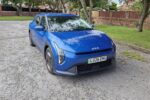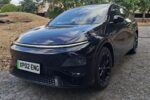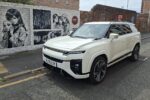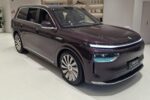
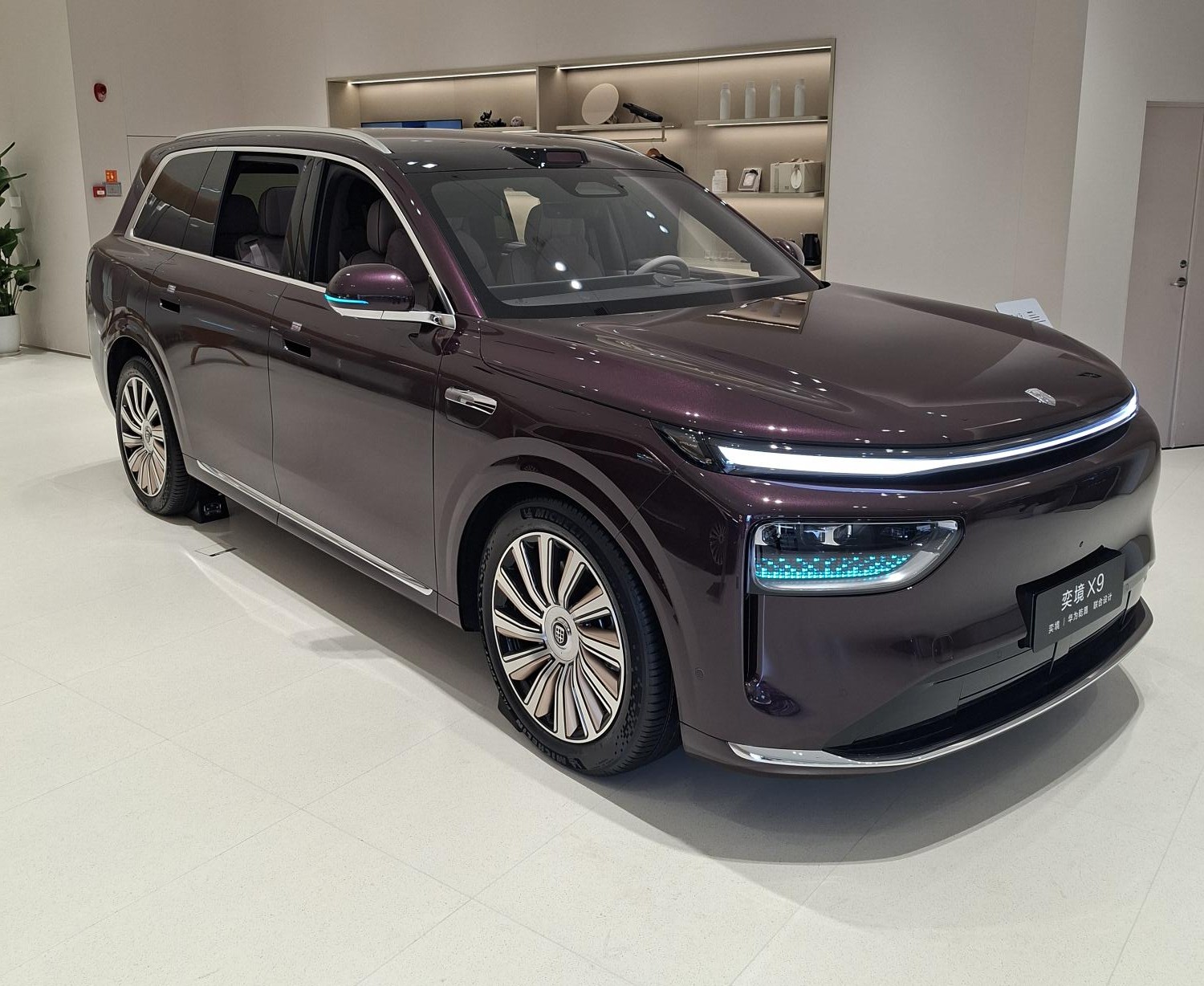
The Epicland X9 is a luxury six-seater SUV
REMEMBER when buying a Chinese car would have raised more than a few eyebrows, well those days are disappearing faster than the range on a badly driven electric SUV.
Chinese manufacturers are making a meteoric assault on the British motor industry – and the invasion is showing no sign of hitting the buffers.
I recently spent the best part of a month travelling round the country, taking in cultural sites, ancient villages, spectacular landscapes and modern hi-tech cities.
And every shopping mall you visit in centres like Shanghai, Shenzhen and Chongqing seems to have opened showrooms dedicated to the next new model primed to take the nation by storm en route to Europe and the UK.
Names like BYD, Omoda, Jaecoo, Chery, Leapmotor, Geely and XPENG are becoming increasingly familiar to British motorists and plenty more, like Zeekr and Aion, are on the way.
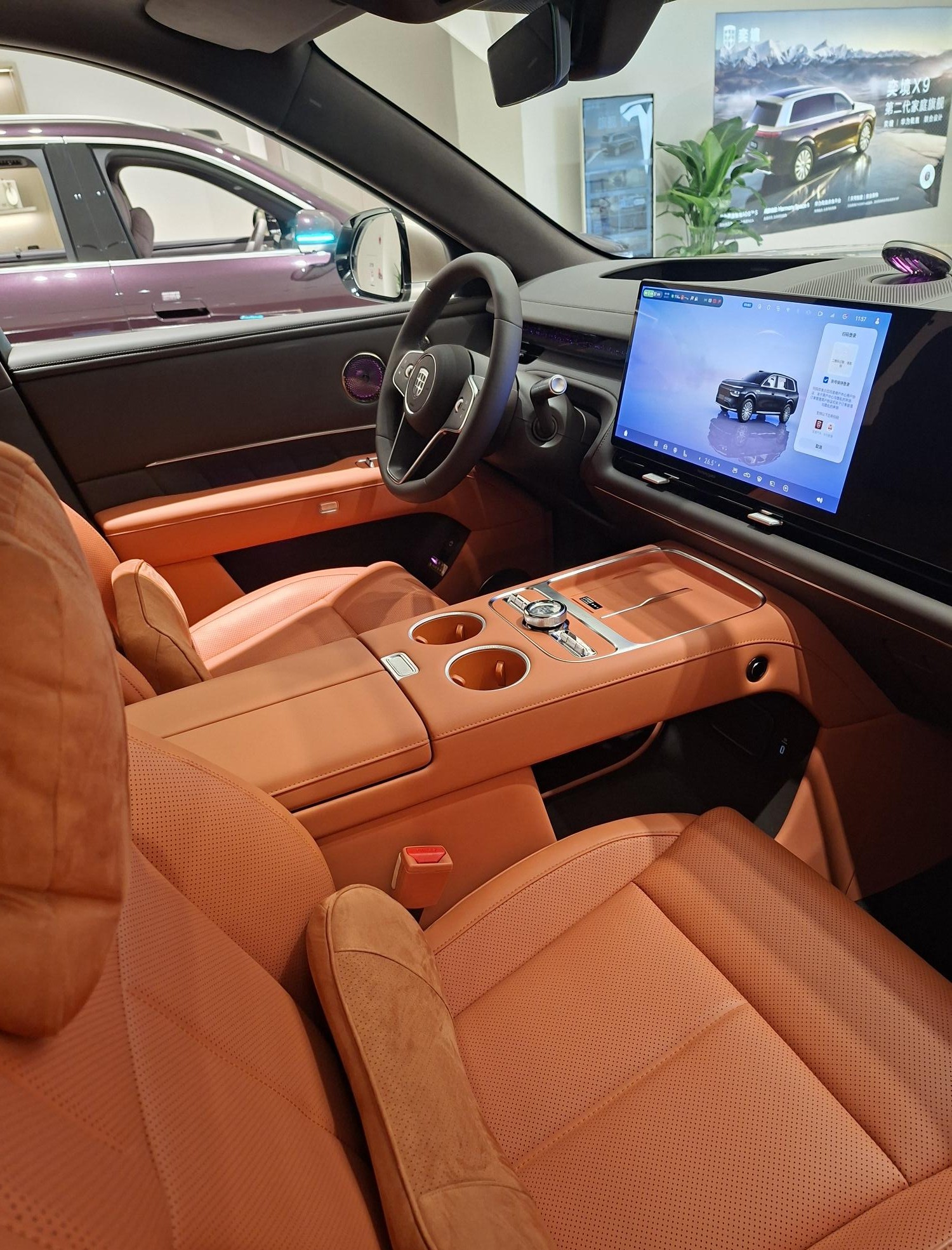
Plush interior of the Epicland X9 from China
The figures make interesting reading. Chinese brands captured 15.8 per cent of the UK’s new-car market in August 2026, almost three times their share a year earlier.
While that number includes petrol, hybrid and electric models, it demonstrates just how rapidly Chinese influence is growing.
BYD, in particular, has emerged as a serious challenger with models such as the Dolphin, Atto 3, Seal and Sealion 7 offering established manufacturers some uncomfortable competition.
The attraction is understandable as buyers are being offered tempting prices, impressive infotainment systems, sophisticated driver assistance, generous equipment levels and increasingly competitive battery technology.
Of course a lavish kit list and extended driving range doesn’t automatically make a great car, while there are also questions about long-term residual values, parts availability, data privacy and the strength of dealer networks.
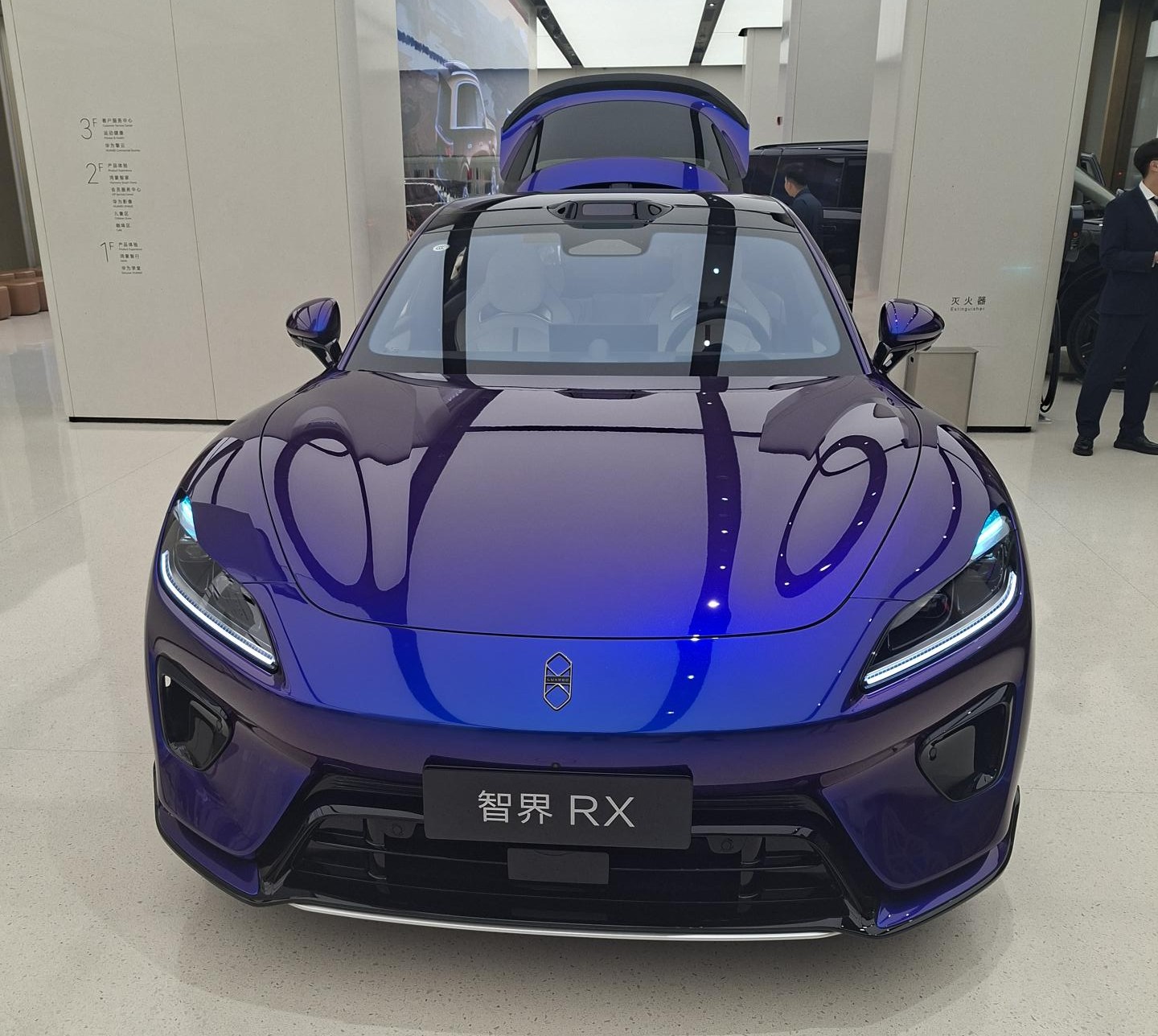
The Luxeed RX electric coupe at a mall in Shanghai
So what happens next? Expect more Chinese brands, more electric models, better battery technology and increasingly fierce competition.
Despite only launching in September the new Epicland X9 is a model the company’s representative assured me will be arriving in the UK before long.
Starting at the Chinese equivalent of £32,000, it is a full-size luxury six-seat SUV offered initially as a range-extended EV and produced by the Dongfeng group, one of the big four state-owned car manufacturers in China.
Also eyeing Europe and the UK are the new Z7 fastback saloon from SAIC (the manufacturer behind MG) and the Luxeed RX electric coupe produced by Chery.
Another brand to note is Maextro, part of a strategic partnership between the JAC Group and tech giant Huawei, and the maker of ultra-luxury electric models like the S800 saloon with its ‘zero gravity’ reclining seats, built-in fridge, i-car cinema system and fingerprint protected safes. It starts at a princely £85,500.
The Chinese electric car revolution has certainly arrived on Britain’s shores – perhaps its biggest challenge will be convincing motorists that these newcomers offer more than just a compelling introductory deal.
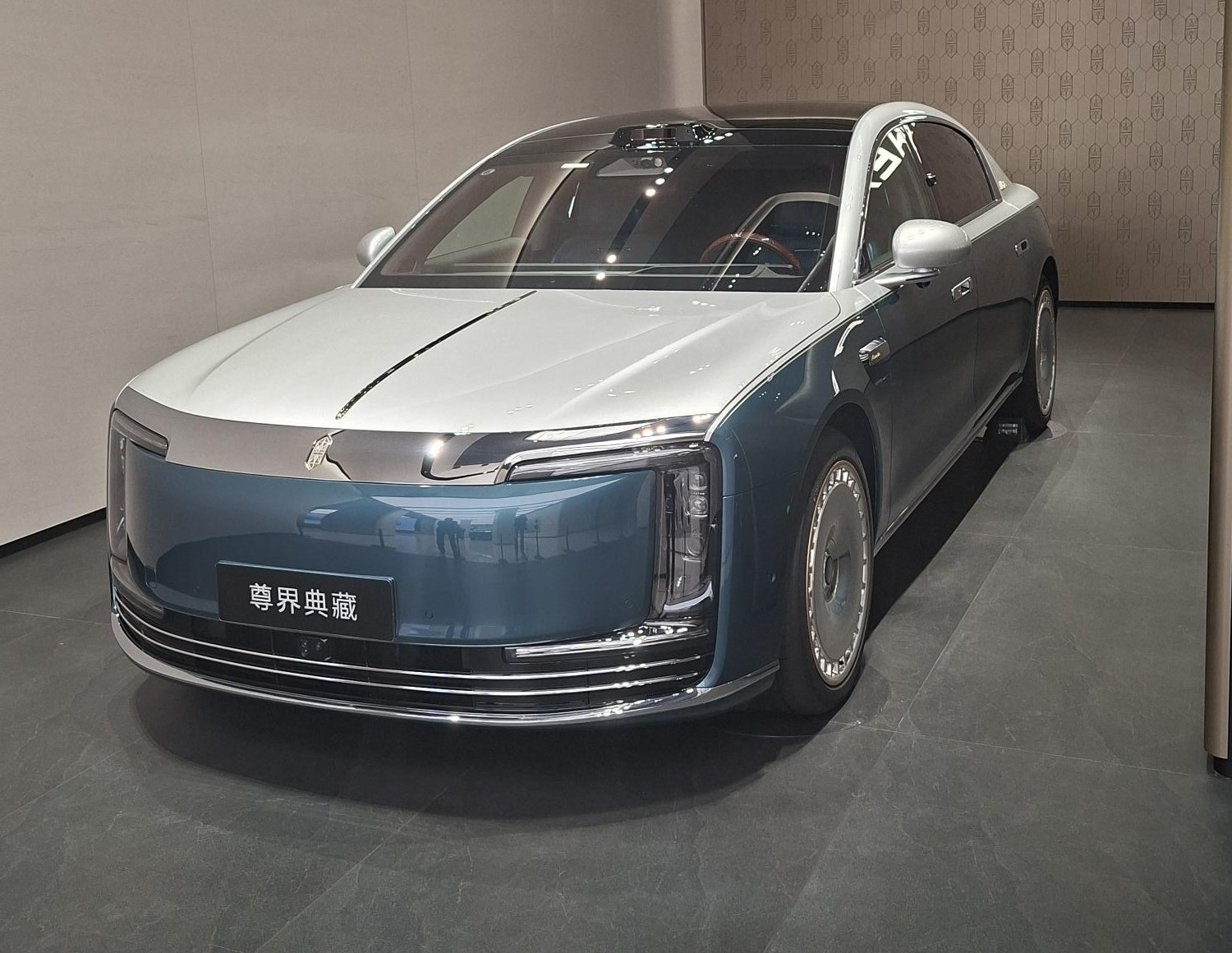
The Maextro S800 luxury saloon has ‘zero gravity’ reclining seats and an i-car cinema system